
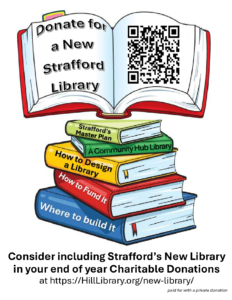
The importance of a small-town library.
The small-towns public library is far more than a book repository — it is an essential community hub helping to bridge gaps in resources, support vulnerable populations, and foster social interaction. It is a free source of information and learning.
- Bridging the Digital Divide – free computer and Wi-Fi access
- Educational Support – homeschooling families
- Lifelong Learning and Skill Building – helping adults improve skills for employment
- Community Engagement – meeting spaces for events and programs strengthening community bonds
- Cultural activities – gather to relax, connect, and engage in cultural activities
- Social Wellbeing – Research shows libraries help residents feel seen, valued, and connected, contributing to a sense of belonging and being valued as vibrant members of the community.
- Access to Information and Services – information on community activities and how to access available services, an unofficial ‘visitor center’
- Inclusivity and Accessibility – serving people with disabilities and seniors
- Intergenerational activities – “children” of all ages
Libraries are more than just books; they are a place for the community to meet, learn and grow, offering programs and services that give patrons an opportunity to connect with neighbors and build relationships, both young and old, in a warm and comfortable space.
A library in a small town has always been a source for building a healthy and vibrant town.
The programs offered to the community by the small-town library of today, go far beyond the traditional sourcing of material for the education of learners of all ages. While supporting the traditional model of a library is just as valuable today as it once was, the need for expanding education methodologies continues to grow. A senior citizen trying to understand and use computers and smart phones need community education resources as much as young people working on a school project, or entrepreneurs starting a new business. Enhancing the quality of life of the aging community by offering social activities where they can learn new skills or hobbies from one another, have a place outside the home to interact with neighbors, or learn techniques to further their skills or hobbies to maintain them as vibrant members of the community, are essential.
The library’s goal is to improve the quality of life of not only the town in general, but the quality of life of the individuals who participate and take advantage of the programs and resources available.
